
Complete Tourist Guide to Ragusa and Ragusa Ibla
What to see, 1- to 7-day itineraries and how to get around with private NCC transfers
Discover the Baroque of the Val di Noto in total comfort with TDS Transfer services
What to See in Ragusa and Ragusa Ibla
Detailed itineraries, authentic experiences and local flavors
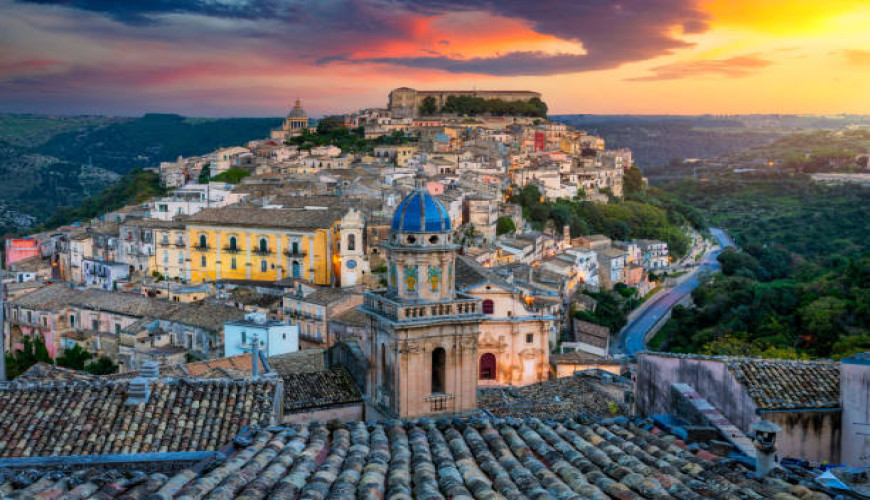
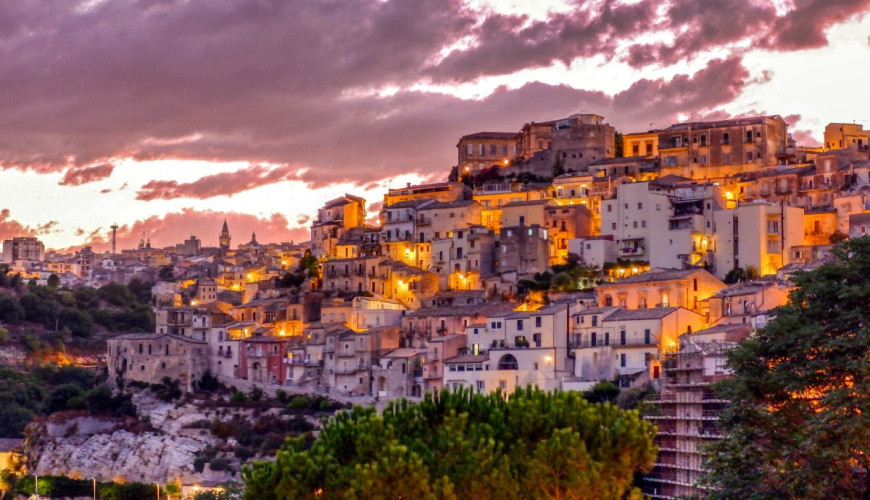
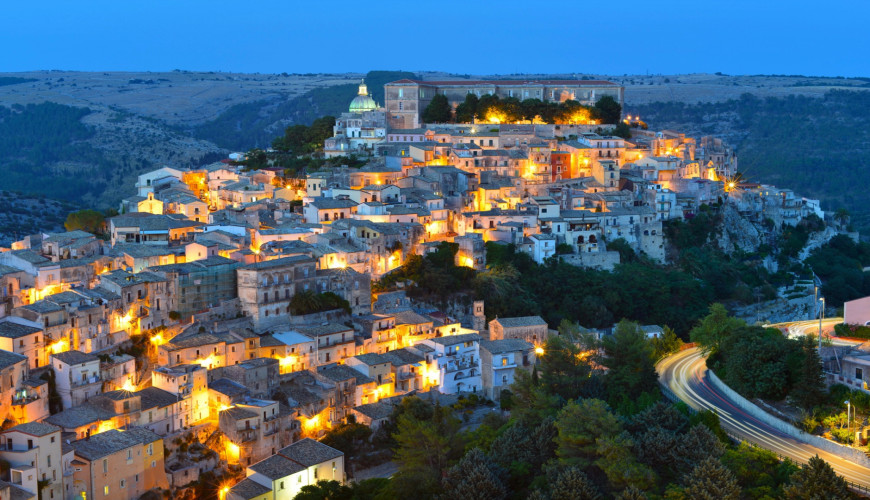
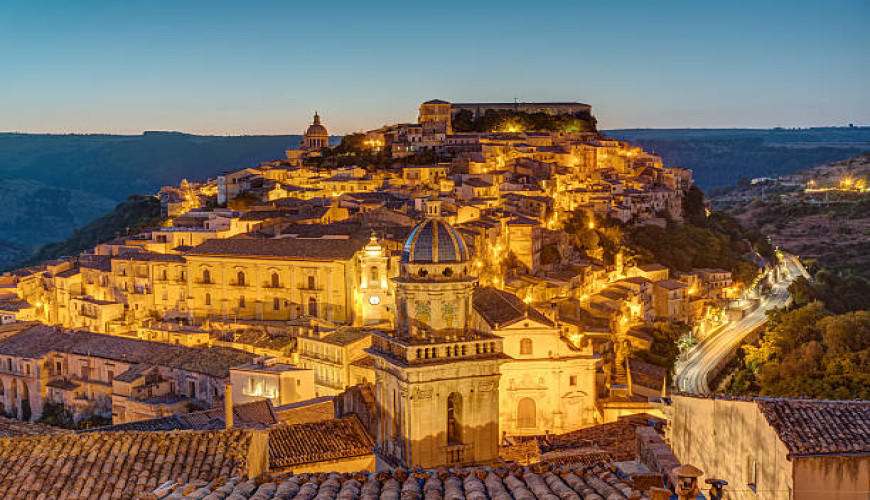
Ragusa is one of the most fascinating destinations in south-eastern Sicily, the heart of the Val di Noto and recognized as a UNESCO World Heritage Site for its exceptional Baroque architecture. The city was rebuilt after the 1693 earthquake and is now divided into two clearly distinct yet perfectly complementary areas:
- Ragusa Superiore, elegant and panoramic, with wide avenues and 19th-century buildings
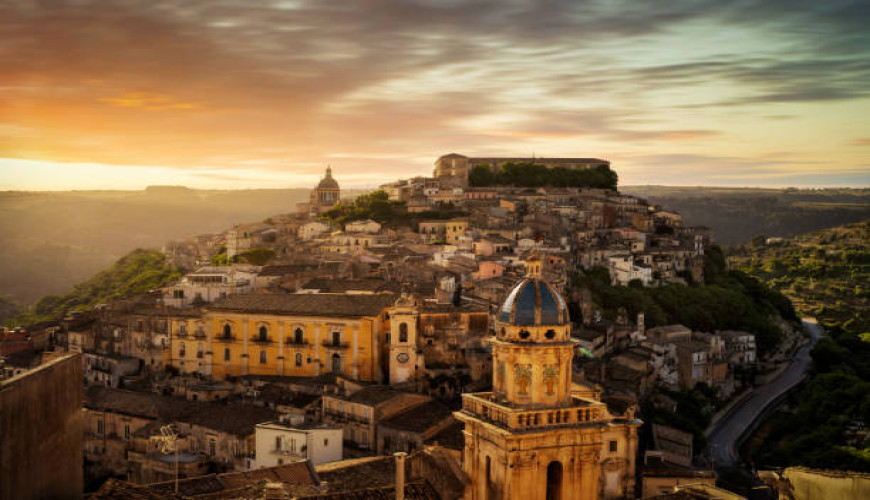
- Ragusa Ibla, the oldest historic center, a maze of alleys, monumental churches, noble palaces and romantic viewpoints
Ragusa is an ideal destination both for cultural trips and for relaxing holidays, thanks to its proximity to the sea and to other Baroque towns such as Modica, Scicli and Noto. With TDS Transfer, travelers can get around in total comfort, without worries about parking or schedules.
Complete 1-, 3-, 5- and 7-day Guide Recommended by TDS
What to See in Ragusa in 1 Day
Must-see highlights in a short time
An itinerary designed for those who are visiting quickly but want to capture the essence of the city.
Morning – Ragusa Superiore
- Walk through the city center
- Cathedral of San Giovanni Battista, an outstanding example of Sicilian Baroque
- Corso Italia and panoramic viewpoints over the valley
Afternoon – Ragusa Ibla
- Scenic transfer or walk downhill to Ibla
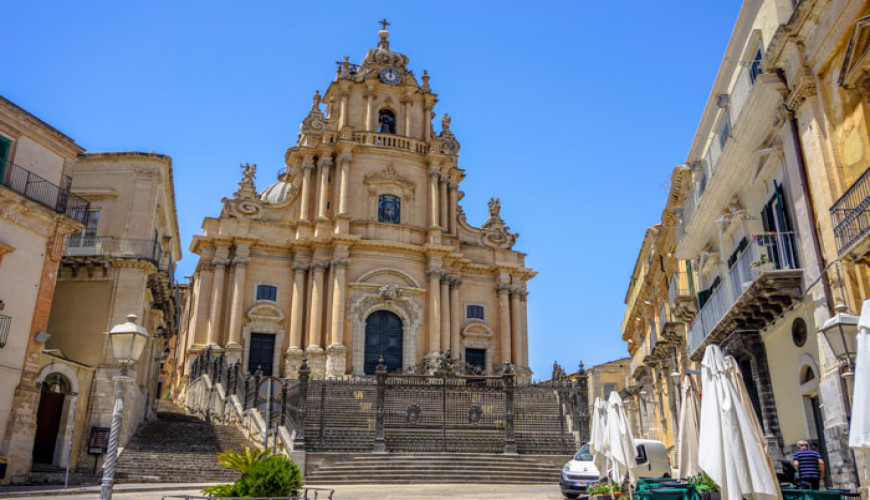
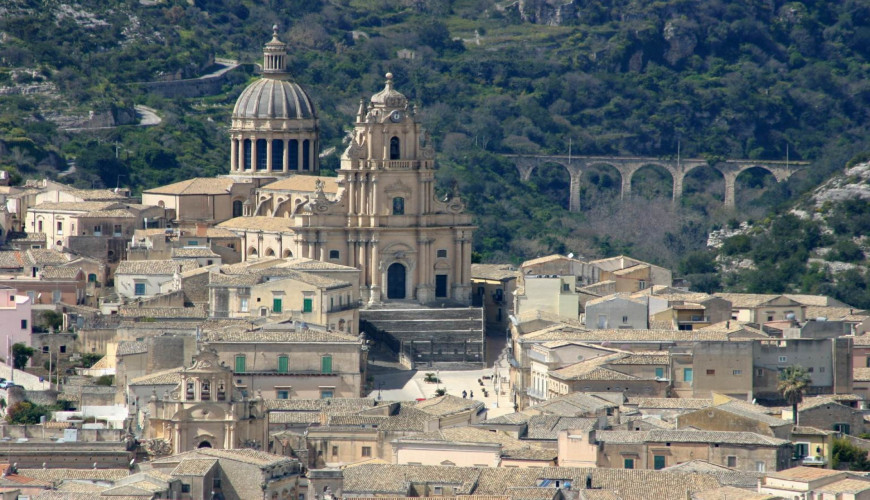
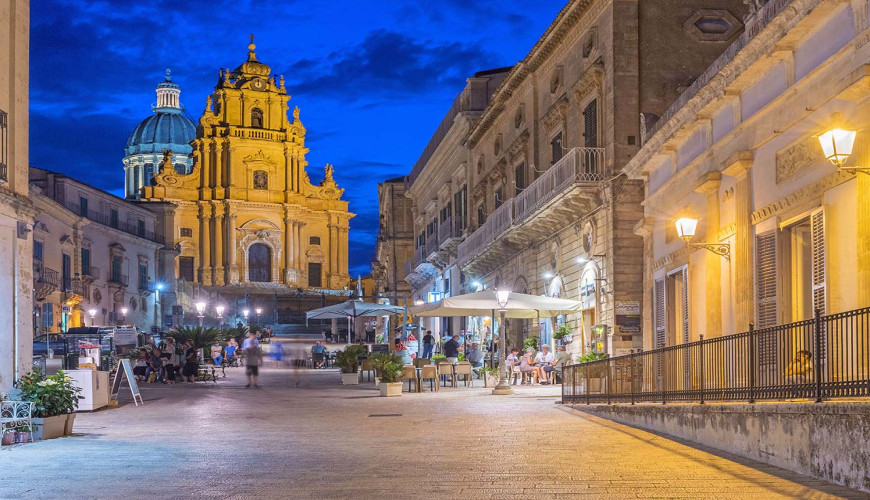
- Duomo of San Giorgio, the absolute symbol of Ragusa
- Church of the Most Holy Souls in Purgatory
- Stroll among squares, alleyways and artisan workshops
Evening
- Traditional dinner in one of Ibla’s historic restaurants
- Return to the hotel with TDS Transfer NCC service
What to See in Ragusa in 3 Days
Culture, panoramas and first excursions
Day 1
- Ragusa Superiore and Ragusa Ibla (1-day itinerary)
Day 2 – Ragusa Ibla in depth
- Giardino Ibleo, perfect for a green break
- Church of Santa Maria dell’Itria, with its distinctive blue dome
- Palazzo della Cancelleria and Baroque noble palaces
- Tasting of local specialties
Day 3 – Val di Noto
- Modica, famous for its IGP chocolate
- or
- Scicli, refined and elegant, a film and TV series location
👉 Ideal for a long weekend or a first trip to Sicily.
What to See in Ragusa in 5 Days
Between Baroque, sea and traditions
Days 1–3
- Visits to Ragusa and surrounding areas
Day 4 – Sea
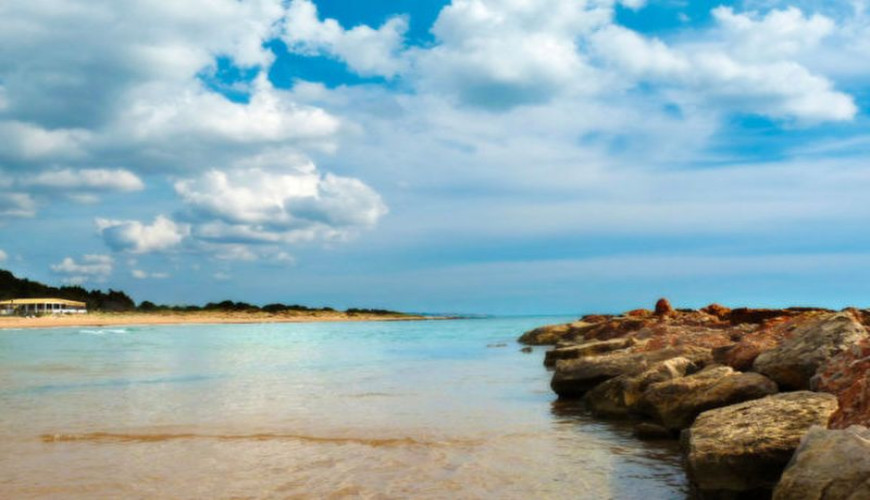
- Transfer to Marina di Ragusa, Donnalucata or Punta Secca
- Relax on the beach and a lunch based on fresh fish
Day 5 – History and countryside
- Castello di Donnafugata, a noble residence with a historic park
- Visit to local farm estates and agricultural businesses
- Wine tastings and local products
👉 Perfect for families and couples.
What to See in Ragusa in 7 Days
Complete experience and slow travel
An ideal stay to experience Ragusa without rushing:
- Food and wine tours among wineries and olive mills
- Traditional Sicilian cooking class
- Historic markets and artisan workshops
- Day trips to Noto and Syracuse
- Free days between the sea, panoramic walks and relaxation
👉 An authentic experience, fully customizable with TDS Transfer.
The 10 Best Things to Eat in Ragusa
Ragusa’s cuisine is among the most genuine in Sicily, based on local ingredients and recipes passed down through generations.
- Scaccia ragusana – the area’s iconic specialty
- Cavati and Ragusan-style ravioli with pork sauce
- Sicilian arancini
- Pasta alla Norma
- Eggplant caponata
- Fresh Mediterranean fish
- Pane cunzato (seasoned bread)
- Sicilian cannoli
- Artisanal gelato and granita
- DOC wines: Nero d’Avola and Frappato di Vittoria
How to Get Around Ragusa and Nearby Areas
- The historic centers can be visited on foot
- For connections between town, sea and villages, an NCC service is recommended
- TDS Transfer offers:
- Transfers to/from Catania and Comiso Airports
- Customized private tours
- Services for travelers, families, groups and companies
Why Choose TDS Transfer
- Professional drivers and in-depth knowledge of the area
- Comfort, punctuality and flexibility
- Optimized itineraries to make the most of your available time
TDS Transfer is the ideal partner to discover Ragusa and the Val di Noto in total peace of mind.
History of Ragusa and Ragusa Ibla
From ancient origins to UNESCO Baroque
The history of Ragusa is one of the most complex and fascinating in Sicily. Its distinctive urban structure, divided into Ragusa Superiore and Ragusa Ibla, is the direct result of historical, political and natural events that have shaped the city over more than two thousand years.
Ancient origins: Hybla Heraia
Ragusa’s origins date back to the pre-Greek era. The area was inhabited by the Siculi, one of Sicily’s indigenous peoples, who founded a settlement known as Hybla Heraia (or Hybla Major).
The name Ibla derives precisely from Hybla, a recurring term in ancient Sicily and probably linked to a fertility deity. This first settlement arose on a natural rocky spur, easy to defend, corresponding to today’s Ragusa Ibla. Later, the area entered the Greek sphere of influence, while still maintaining a strong indigenous identity.
Roman and Byzantine period
With the Roman conquest of Sicily (3rd century BC), Ragusa became a Roman municipium. Although it was not among the island’s main cities, it played a strategic role in controlling agriculture in the territory, thanks to the fertility of the Iblean plateau.
After the fall of the Western Roman Empire, Ragusa came under Byzantine control (6th–9th century AD). This period reinforced the defensive structure of the settlement and consolidated the city as a fortified, elevated and protected center.
Arab rule (9th–11th century)
In the 9th century, Ragusa was conquered by the Arabs, who left a deep imprint, especially in toponymy, agricultural organization and water management.
- new irrigation systems were introduced
- the cultivation of citrus fruits, carob trees and almonds developed
- the urban settlement maintained its compact and defensive structure
The name “Ragusa” may derive from the Arabic Ragusah or Ras-Gias, although the etymology is not entirely certain.
Norman and Swabian period
In 1091, Ragusa was conquered by the Normans, becoming part of the County of Sicily. Under the Normans and later the Swabians:
- Christianity regained central importance
- churches and monasteries were built
- the city experienced a phase of relative stability
Ragusa nonetheless remained concentrated in the area of today’s Ibla, which continued to be the political, religious and economic center.
Medieval Ragusa and the role of the Chiaramonte
Between the 13th and 14th centuries, Ragusa experienced a period of great importance under the Chiaramonte family, one of the most powerful in medieval Sicily. During this period:
- the city gained a degree of autonomy
- walls and defensive structures were strengthened
- Ragusa became a County, one of the largest on the island
The County of Ragusa came to include much of today’s province, with an economy based on agriculture, livestock and trade.
The 1693 earthquake: the decisive turning point
The most dramatic and decisive event in Ragusa’s history was the 1693 Val di Noto earthquake, one of the most devastating ever recorded in Europe.
- much of medieval Ragusa (Ibla) was destroyed
- thousands of victims
- collapse of churches, palaces and homes
After the quake, the population was divided over a crucial decision:
- one group wanted to rebuild on the original site → today’s Ragusa Ibla was born
- another group chose to rebuild higher up on the plateau → Ragusa Superiore was born
This decision permanently shaped the city’s urban identity.
The rise of Ragusa Ibla’s Baroque
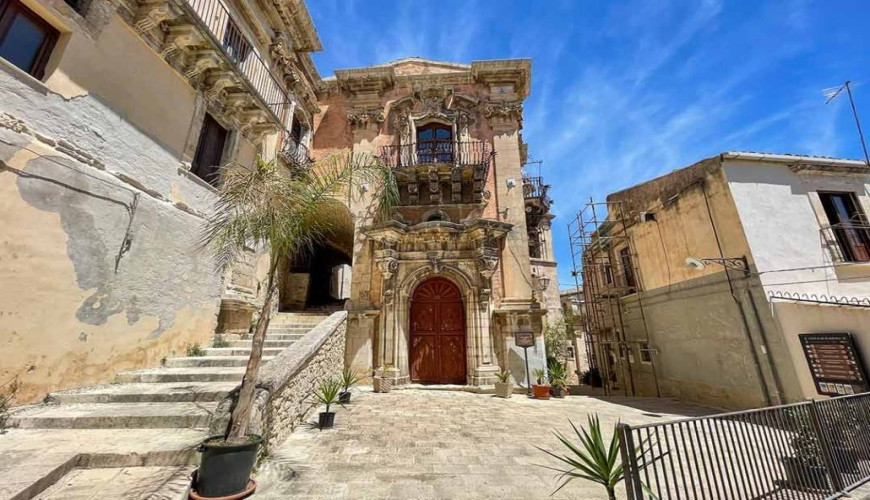
Ragusa Ibla was rebuilt while keeping its medieval layout, but enriched by a completely new style: Sicilian Baroque.
- theatrical churches
- concave and convex façades
- rich yet harmonious decoration
- integration with the natural landscape
The finest example is the Duomo of San Giorgio, rebuilt in the 18th century and now the symbol of the city.
Ragusa Superiore: the “modern” city
Ragusa Superiore was born as a new city, with:
- wider streets
- a rational urban layout
- major public buildings
Here arose:
- the Cathedral of San Giovanni Battista
- 19th-century buildings
- administrative offices
For a long time, the two Ragusas lived almost like two separate cities, united only in 1926.
From Italian Unification to the 20th century
After Italian Unification (1861), Ragusa experienced:
- agricultural growth (wheat, carob, livestock)
- strong emigration to the Americas
- slow but steady development
In the 20th century, the city expanded further, while Ragusa Ibla went through a period of abandonment, followed by a cultural and tourist revival from the second half of the century onward.
Ragusa today: UNESCO heritage
In 2002, Ragusa Ibla was included on the UNESCO World Heritage List as part of the Late Baroque Towns of the Val di Noto.
- a leading cultural destination
- a unique example of a “dual” city
- a place where history, architecture and landscape coexist
Why knowing Ragusa’s history enriches the trip
Understanding Ragusa’s history means:
- reading the differences between Ibla and Superiore
- understanding the unique urban structure
- appreciating the value of Sicilian Baroque
- experiencing the city with greater awareness
With TDS Transfer, visitors can discover these places by following themed historical routes, optimizing time and travel between the city’s different eras.
External Sites Recommended by TDS
To better plan your visit and consult official information:
- Ragusa Welcome – Official Tourist Destination: https://www.ragusawelcome.com/en
- Visit Sicily – Ragusa: https://www.visitsicily.info/en/localita/ragusa/
- Tripadvisor – Things to Do in Ragusa: https://www.tripadvisor.it/Attractions-g194872-Activities-Ragusa_Province_of_Ragusa_Sicily.html
- Wikipedia – Santa Maria dell’Itria (Baroque church): https://en.wikipedia.org/wiki/Santa_Maria_dell%27Itria%2C_Ragusa
- Wikipedia – San Giuseppe, Ragusa (Baroque church): https://en.wikipedia.org/wiki/San_Giuseppe%2C_Ragusa