
Corleone Beyond the Myth: A Complete Guide to History, Nature, and Gastronomy
Millennia-old history, the nature of the Sicani Mountains, and paths of legality
A journey through culture, unspoiled landscapes, and genuine traditions, beyond every stereotype
Corleone – Complete Tourist Guide | TDS Transfer
Corleone – Complete Tourist Guide | TDS Transfer
Inner Sicily • Slow Tourism • Culture • Nature • Private NCC Transfers
Corleone
Complete Tourist Guide
History, what to see in 1, 3, 5 and 7 days, and typical flavors
Corleone is one of the most authentic destinations in inland Sicily. Located between Palermo and Agrigento, at the foot of the Sicani Mountains, it is now known as a symbol of civic renewal, unspoiled nature, and deep-rooted traditions, far beyond the stereotypes of the past. Thanks to TDS Transfer private NCC transfers, Corleone is easy to reach and ideal for slow, cultural, and experiential tourism.
Short history of Corleone
Arab-Norman origins, social struggles, and contemporary civic renewal.
The origins of Corleone date back to the Arab-Norman period. The name derives from the Arabic Qurlayun, attesting to the strong Islamic presence in Sicily between the 9th and 11th centuries. During the Norman era, the village became an important agricultural and military center.
In the Middle Ages, Corleone was a royal demesne city, enjoying privileges granted by sovereigns. During the 19th century, it played a leading role in peasant movements and the Sicilian Fasci, becoming a symbolic center of struggles for social rights.
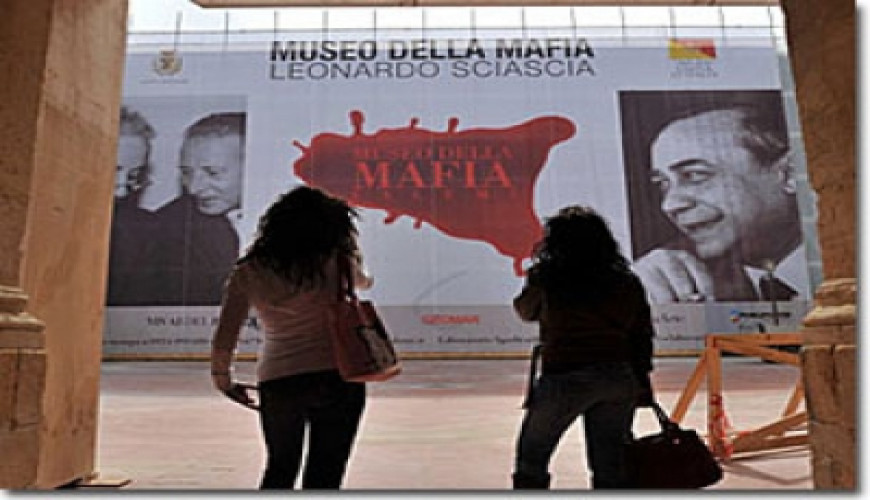
In the 20th century, the name Corleone was unfortunately associated with the mafia. Today, however, the city is a national model of legality, thanks to cultural initiatives, museums, and cooperatives established on confiscated assets, which tell the story of a different, courageous, and modern Sicily.
The 10 things to see in Corleone
Between nature, culture, and places of memory.
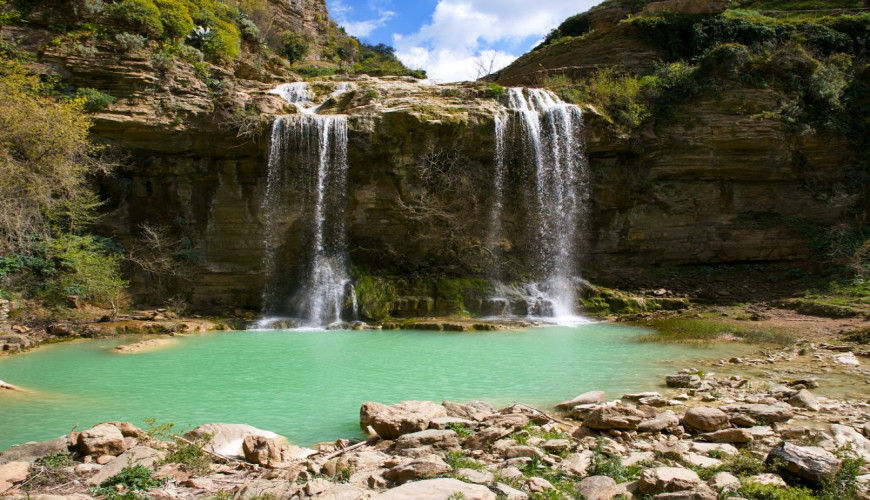
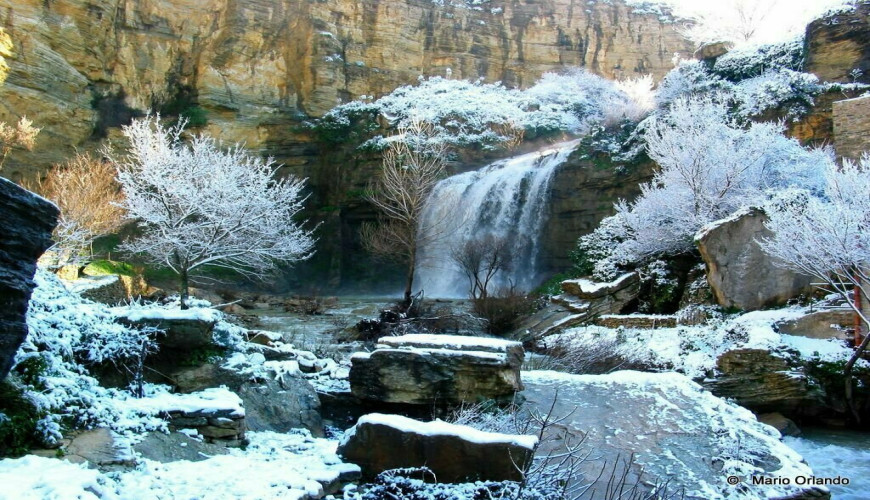
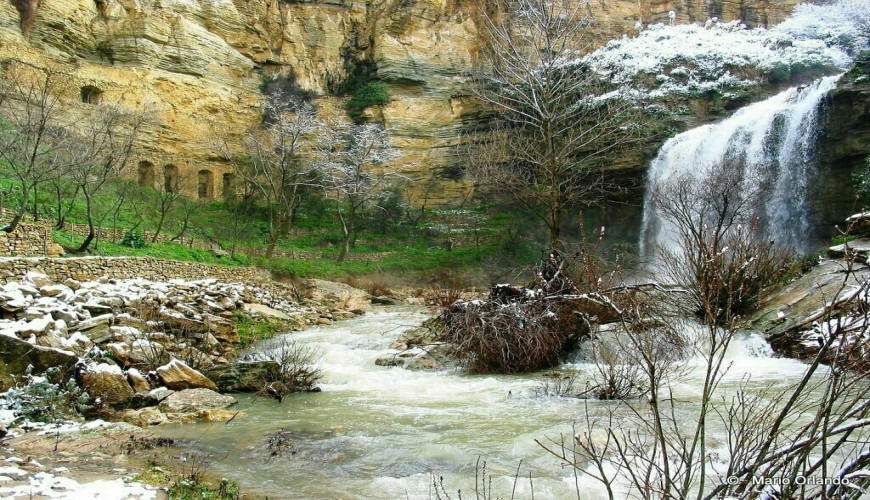
- Cascata delle Due Rocche – The city’s natural symbol: a striking waterfall set into the rock, easily reachable from the center.
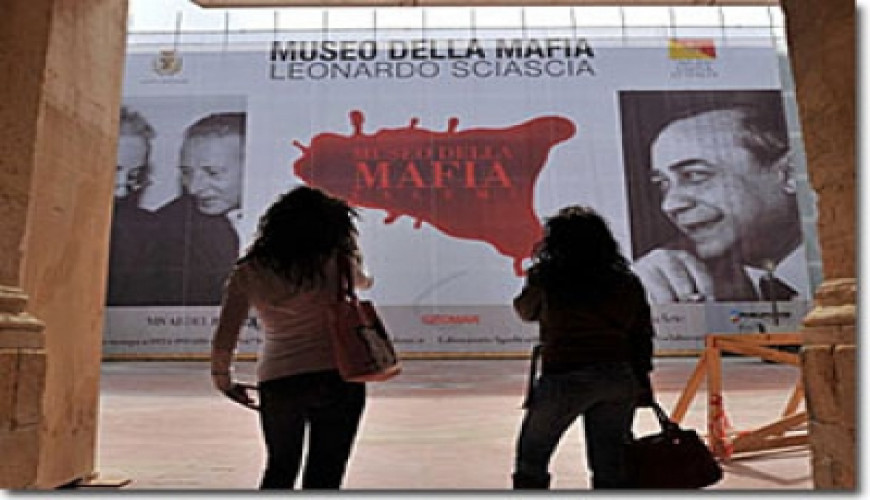
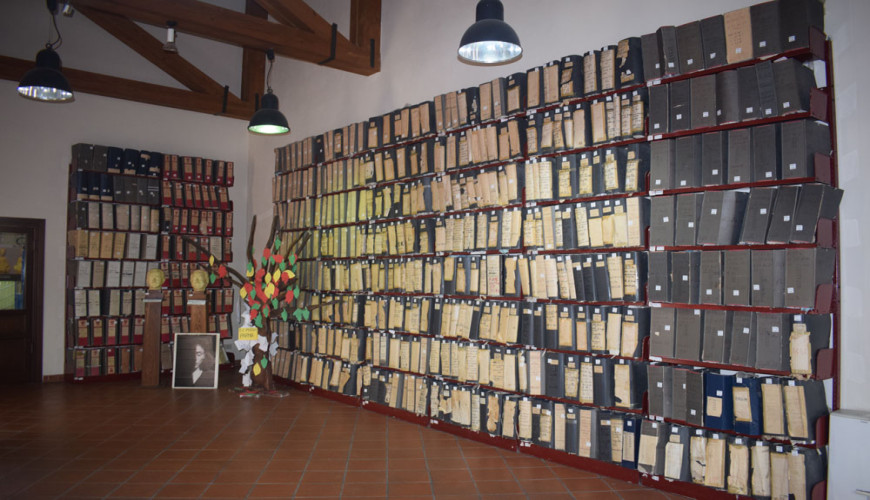
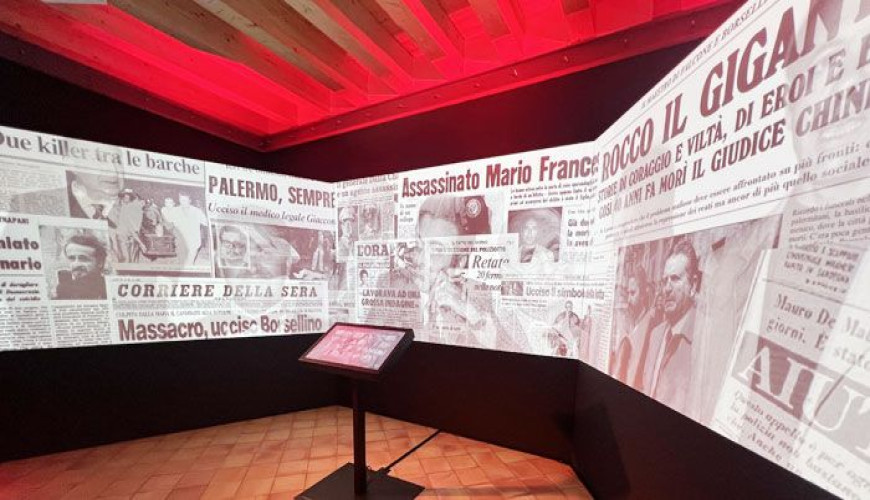
- CIDMA – International Center for Documentation on the Mafia and the Anti-Mafia Movement: an essential stop to understand recent history and the path of civic renewal.
- Mother Church of San Martino Vescovo – The main religious building, rebuilt after the 1693 earthquake, and the spiritual heart of the community.
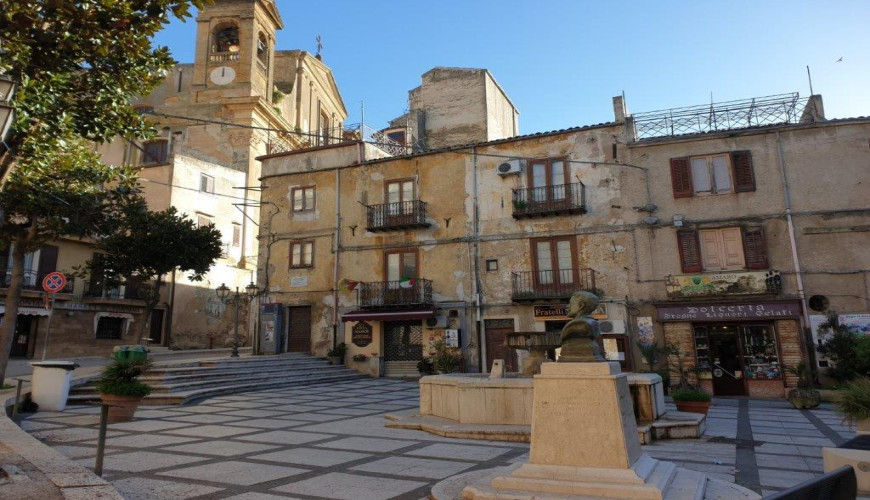
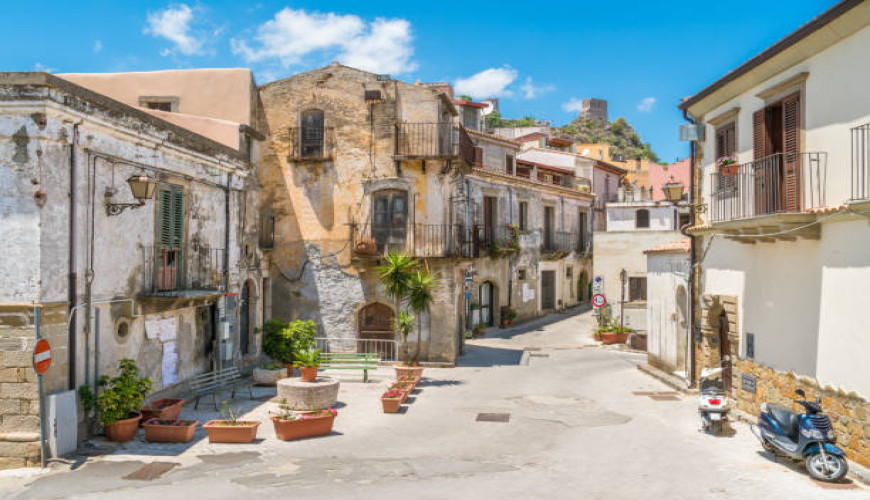
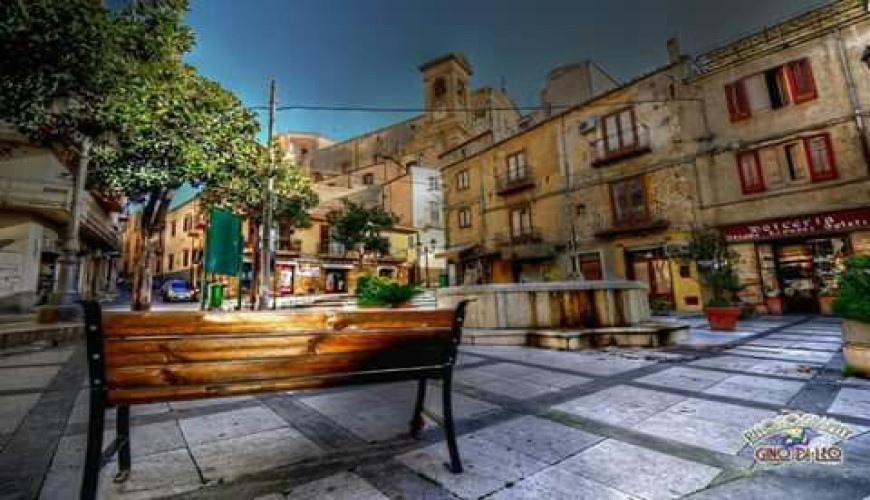
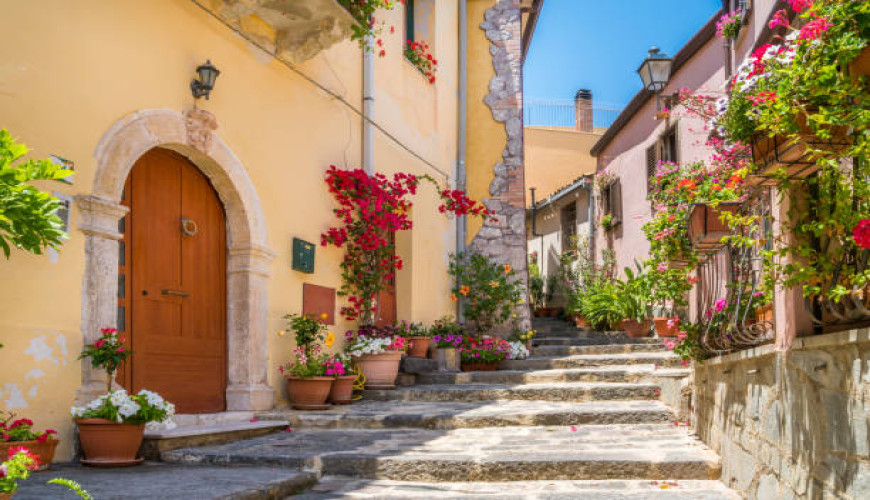
- Historic center of Corleone – Alleys, squares, and authentic views that reflect everyday life in inland Sicily.
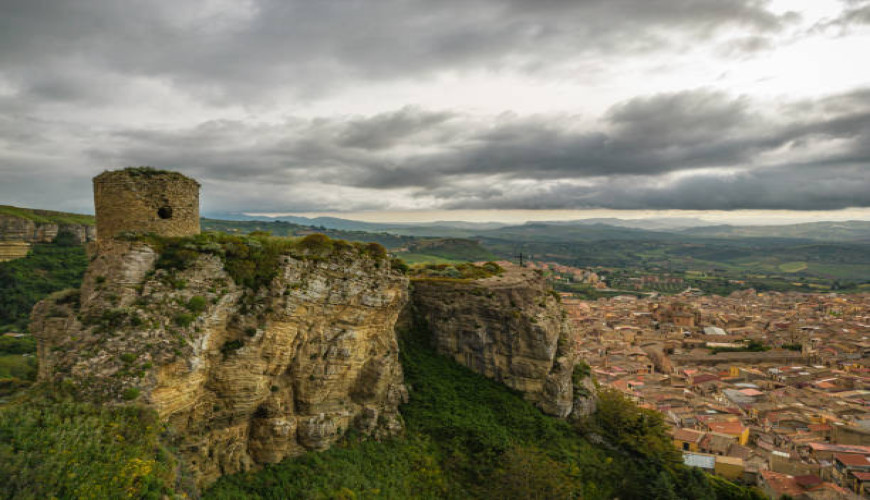
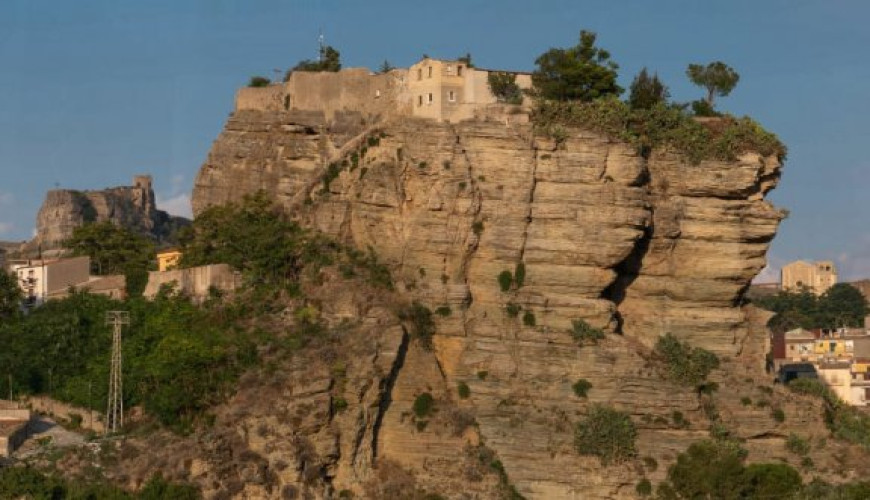
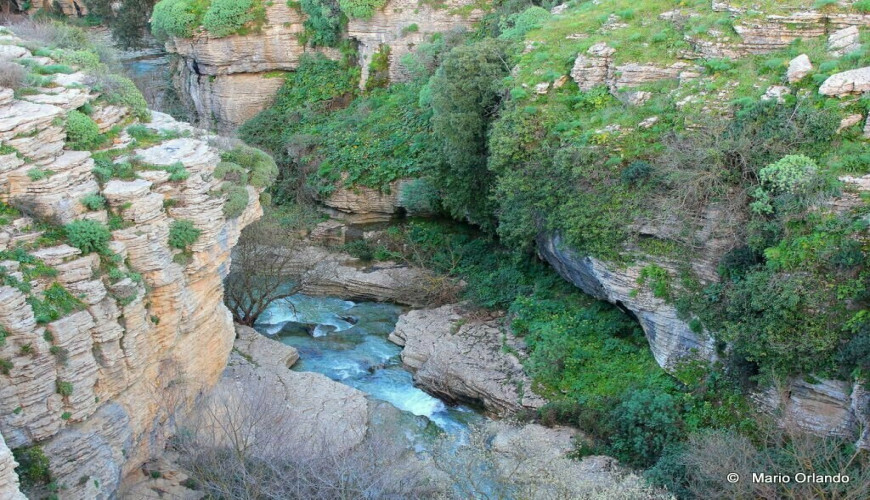
- Panoramic viewpoints over the Sicani Mountains – Ideal for photography and for appreciating the surrounding rural landscape.
- Bosco della Ficuzza – Nature Reserve: one of the most important natural areas in western Sicily, perfect for trekking and relaxation.
- Royal Hunting Lodge of Ficuzza – A Bourbon residence immersed in the forest, a historical testimony of the modern era.
- Paths of memory and assets confiscated from the mafia – Symbolic places returned to the community and managed by social cooperatives.
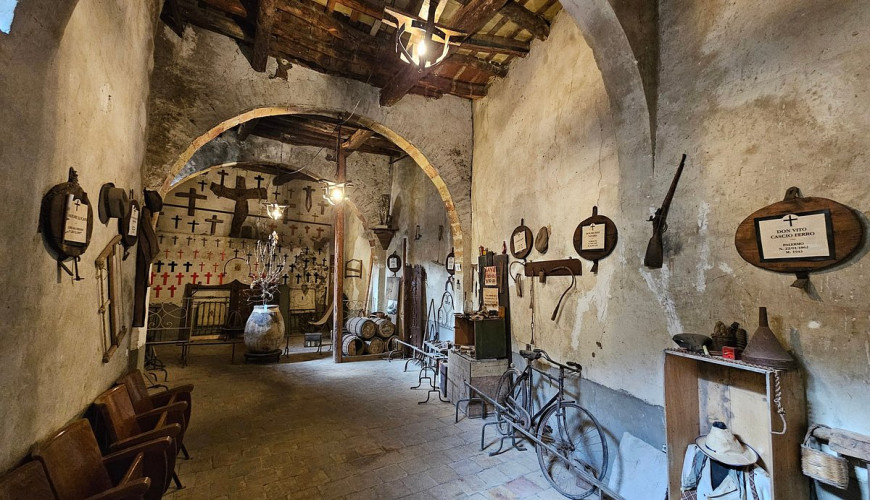
- Local museums and cultural spaces – Small museums and exhibitions exploring the history, traditions, and identity of the area.
- Rural surroundings and the Corleone countryside – Ideal for slow travel, food-and-wine experiences, and photography among wheat fields, olive groves, and pastures.
What TDS recommends seeing in 1, 3, 5 and 7 days
Ready-made itineraries for a quick visit or a slow stay.
1 day – Essential highlights
Morning
- Historic center and a walk through the alleys
- Mother Church of San Martino
- CIDMA – International Center for Documentation on the Mafia and the Anti-Mafia Movement
Afternoon
- Cascata delle Due Rocche, the city’s natural symbol
- Panoramic viewpoints over the Sicani Mountains
Evening
- Typical dinner in the center
- Return with TDS Transfer NCC transfer
Ideal for day trips from Palermo.
3 days – Culture, nature, and memory
Day 1
- Historic center + CIDMA + Waterfall
Day 2
- Bosco della Ficuzza Nature Reserve
- Hikes, trekking, or a picnic in nature
Day 3
- Paths of memory: confiscated assets, social cooperatives
- Tasting of local products
Perfect for a cultural and nature-focused weekend.
5 days – Slow travel and territory
Days 1–3
- 3-day itinerary
Day 4
- Excursion to nearby villages in the Sicani Mountains
- Rural experiences and meeting local producers
Day 5
- Relaxing day among nature, photography, and gastronomy
Ideal for couples and slow travelers.
7 days – Complete and authentic experience
A week in Corleone allows you to experience the territory in depth:
- Trekking and nature in Bosco della Ficuzza
- Thematic tours on legality and memory
- Traditional Sicilian cooking classes
- Visits to Palermo, Monreale or Agrigento (with NCC)
- Slow days among flavors, landscapes, and silence
A conscious journey, customizable with TDS Transfer.
TDS Transfer – NCC for Corleone and Western Sicily
Transfers to/from Palermo and Falcone-Borsellino Airport, customized day trips, and services for individuals, couples, families, and groups.
The 10 best things to eat in Corleone
Corleone’s cuisine is rustic, genuine, and deeply connected to the land.
- Pasta with sardines
- Sicilian durum wheat bread
- Local caciocavallo and pecorino cheeses
- Sausages and meats from the Sicani Mountains
- Busiate pasta with meat sauce
- Seasonal vegetables and legumes
- Sicilian sfincione
- Cannoli and almond desserts
- Local extra virgin olive oil
- Sicilian wines (Nero d’Avola, Catarratto)
How to get around Corleone
Practical tips for visiting the center, nature, and surroundings.
- The historic center can be visited on foot.
- Natural attractions and surrounding areas require a car.
- The most convenient option is a private NCC transfer.
TDS Transfer offers
- Transfers to/from Palermo and Falcone-Borsellino Airport
- Customized day trips
- Services for individuals, couples, families, and groups
Operational note
Corleone is ideal for a slow experience: alternating cultural visits, nature, and food-and-wine moments helps capture the authentic identity of inland Sicily.
Why choose TDS Transfer in Corleone
Comfort, punctuality, and tailor-made itineraries, without stress.
- Professional drivers and deep knowledge of the area
- Comfort, punctuality, and safety
- Tailor-made itineraries, stress-free
- Ideal for cultural, nature-based, and responsible tourism
TDS Transfer is the ideal partner for discovering authentic Corleone, far from clichés, in complete peace of mind.
History of Corleone
From ancient origins to contemporary civic renewal.
The history of Corleone is complex, layered, and deeply representative of inland Sicilian history. Located in a strategic position among the Sicani Mountains, at about 600 meters above sea level, Corleone has played for centuries a leading agricultural, military, and social role, becoming over time a symbol of social struggles and, more recently, of legality and civic rebirth.
Ancient origins and the Arab period
The earliest evidence of settlements in the Corleone area dates back to prehistoric and ancient times, thanks to the presence of natural caves, waterways, and fertile land.
The name Corleone almost certainly derives from the Arabic Qurlayun or Kurliyun, confirming the strong Islamic presence in Sicily between the 9th and 11th centuries. During this period:
- new agricultural techniques were introduced
- irrigation systems developed
- the settlement took on a fortified structure
Corleone was a well-defended castrum, important for controlling the island’s internal routes.
The Norman and medieval era
In 1072, Corleone was conquered by the Normans led by Roger of Hauteville. Under Norman rule:
- the territory was Christianized
- churches and monasteries were built
- Corleone gained strategic importance
During the Middle Ages, Corleone became a royal demesne city, directly subject to the Crown, enjoying economic and administrative privileges. This status encouraged agricultural development and population growth. In the 13th–14th centuries, the city was involved in Sicily’s feudal dynamics while maintaining a strong communal identity.
Corleone and the Sicilian Vespers
A central episode in Corleone’s history is its participation in the Sicilian Vespers of 1282, the popular uprising against Angevin rule. According to historical sources:
- Corleone was among the first cities to rebel
- it obtained the title of “Città Animosa” (Valiant City)
- it received privileges and recognition from the Aragonese rulers
This event strengthened Corleone’s identity as a proud and independent city.
Modern age: agriculture and latifundia
Between the 16th and 18th centuries, Corleone became one of the main agricultural centers of inland Palermo. The economy was based on large estates (latifundia):
- extensive grain cultivation
- livestock farming
- exploitation of peasant labor
During this period, strong social inequality took root, which would erupt in later centuries.
The 19th century and the Sicilian Fasci
In the 19th century, Corleone was one of the beating hearts of the Sicilian Fasci of Workers, Italy’s first major socialist and peasant movement. Prominent figure: Bernardino Verro, peasant leader and the first socialist mayor of Corleone.
Peasants fought for:
- better working conditions
- fairer agricultural contracts
- access to land
This phase profoundly shaped the city’s political and social identity.
The 20th century and the shadow of the mafia
In the 20th century, Corleone became sadly known for the rise of powerful mafia families, who exploited:
- control of the countryside
- geographic isolation
- weakness of the state
The name “Corleone” became a media symbol of the mafia, especially from the 1970s–1980s onward. However, this dark portrayal does not encompass the city’s real history, which has always also expressed civic and social resistance.
Corleone today: legality and renewal
From the 1990s onward, Corleone embarked on a profound path of renewal and rebirth:
- creation of cooperatives on assets confiscated from the mafia
- opening of CIDMA (International Center for Documentation on the Mafia and the Anti-Mafia Movement)
- responsible, cultural, and educational tourism
- promotion of historical memory and legality
Today, Corleone is recognized as a national laboratory of social anti-mafia initiatives.
The historical value of Corleone for visitors
Understanding Corleone’s history means:
- grasping the complexity of inland Sicily
- overcoming stereotypes
- reading the territory through centuries of social struggles
- visiting places rich in historical and civic significance
Thanks to TDS Transfer, visitors can follow thematic historical routes (Arab-Norman, peasant movements, anti-mafia), comfortably reaching museums, nature reserves, and surrounding villages.
If you want to rent a car at Palermo, Catania, Trapani–Birgi airport, or anywhere else in Sicily, click this link https://www.tdsrent.it
If you want to arrange a transfer from one of the main airports or from anywhere in Sicily, click here https://www.tdstransfer.it
Information recommended by TDS
To explore specific aspects of Corleone’s history and cultural heritage, it is useful to consult:
- Wikipedia – Corleone (Italian) – detailed historical overview.
- Wikipedia – Corleone (English) – history section and medieval context.
- Italia.it – Corleone – official tourist guide by the National Tourism Board.
- Treccani – Italian Encyclopedia on Corleone – historical and feudal insights.