
The mosaics of Piazza Armerina: a timeless masterpiece
The Villa Romana del Casale and the visual narrative of Late Antique Sicily
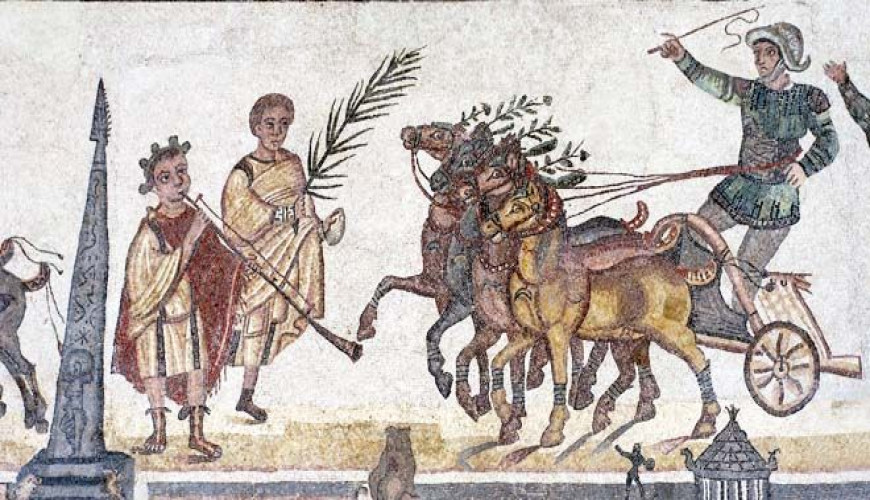
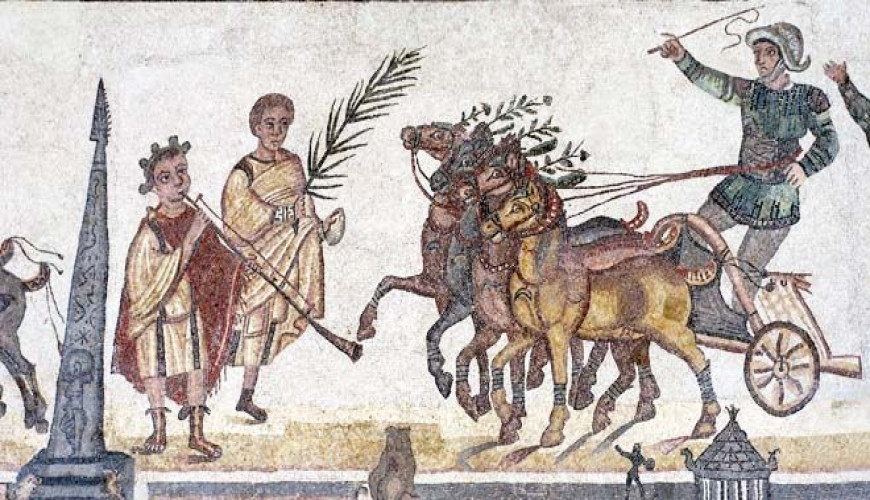
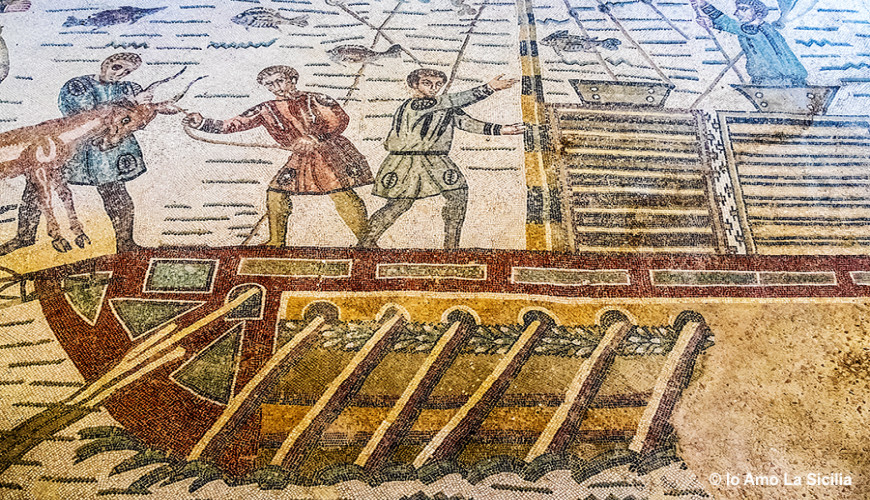
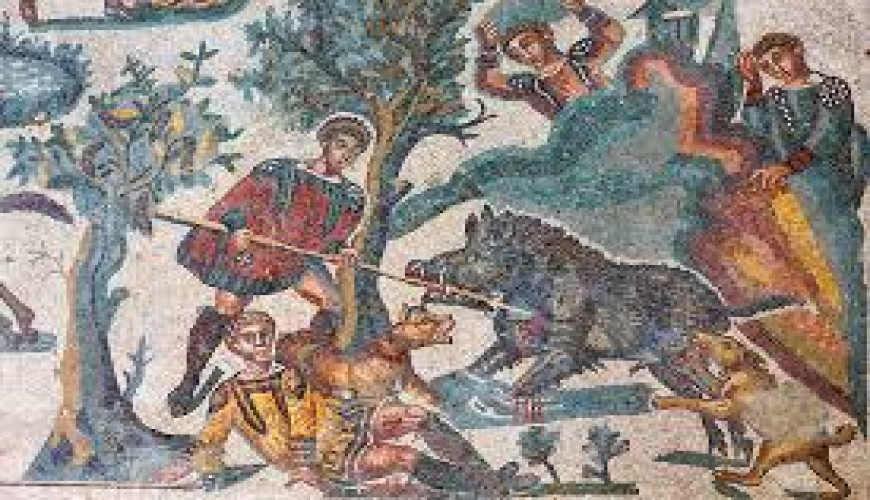
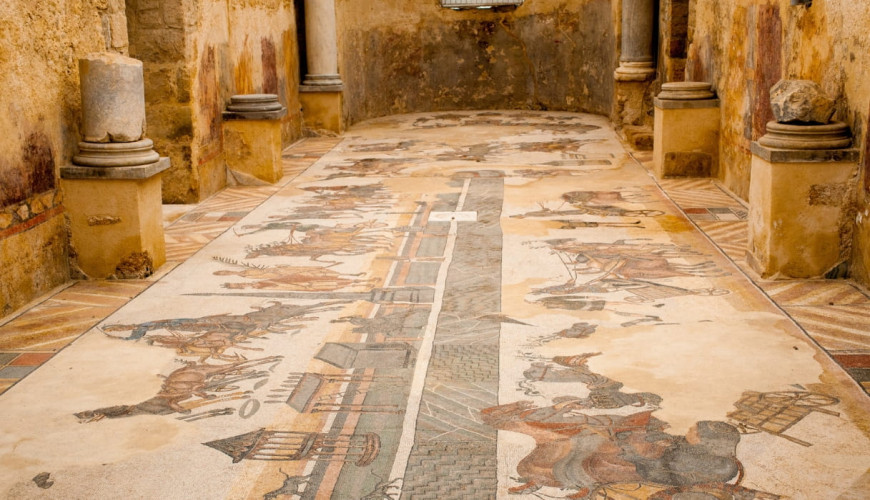
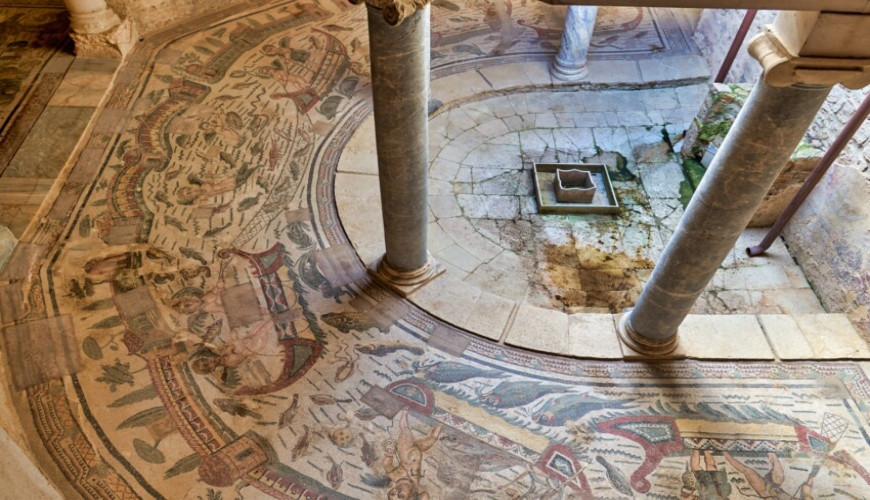
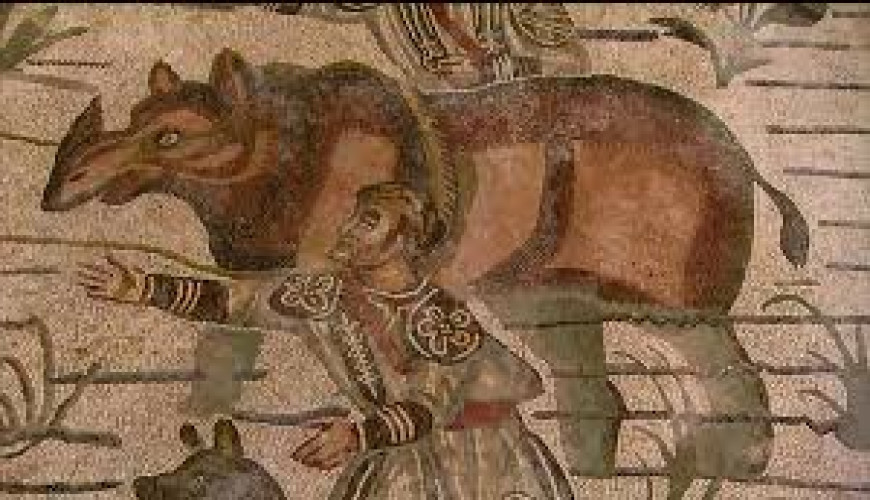
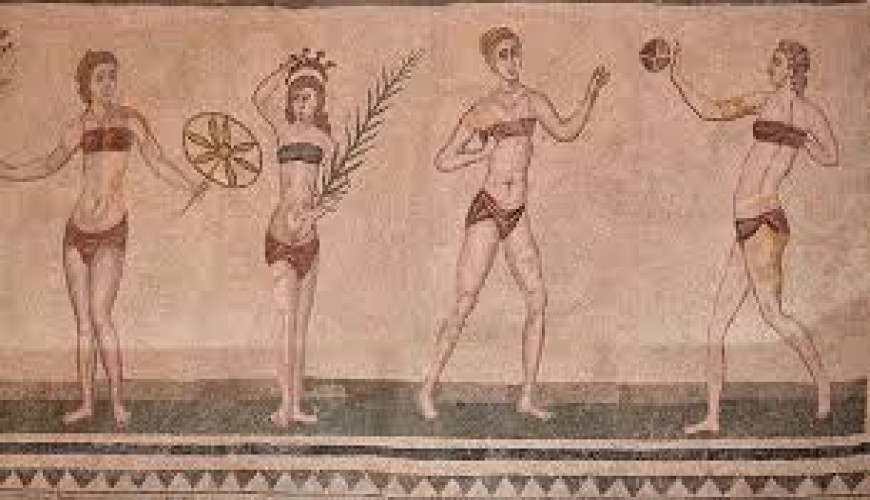
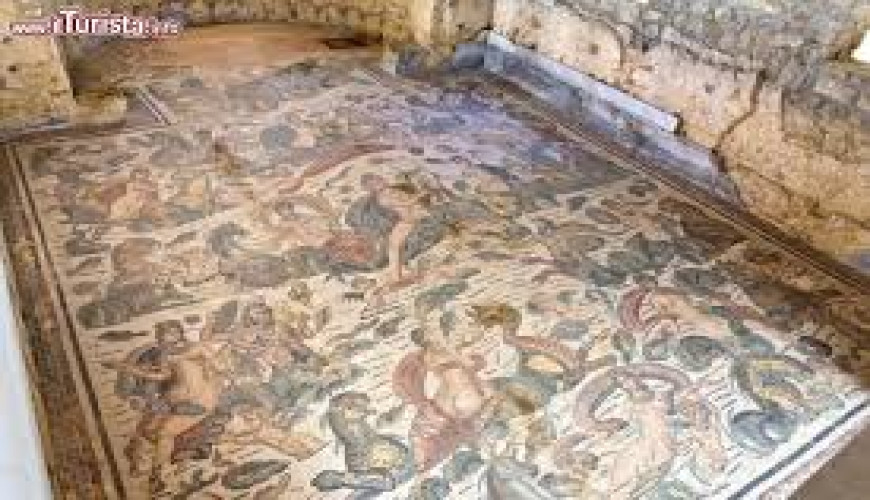
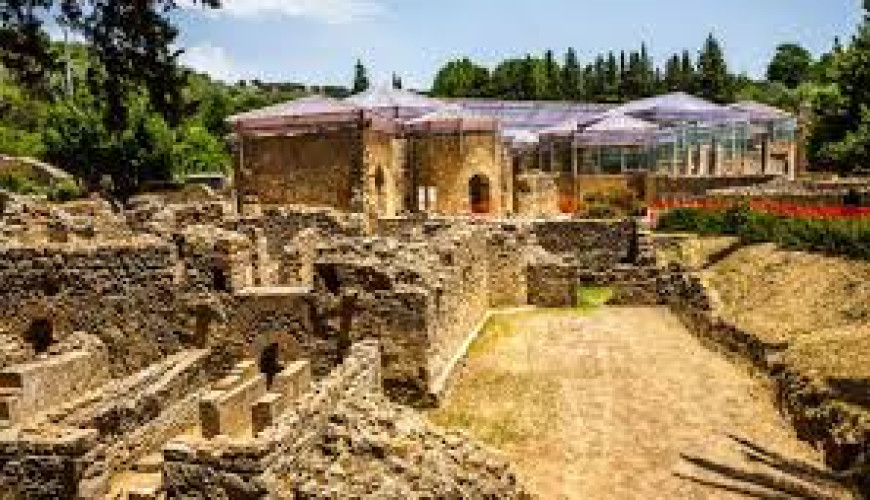
Over 3,000 m² of scenes depicting hunting, myths, and everyday life that make one of Europe’s most extraordinary archaeological sites truly unique.
Piazza Armerina: history, art, and identity in the heart of Sicily
Piazza Armerina (province of Enna) is one of the most interesting towns in inland Sicily: a layered historic center (Norman, late medieval, and Baroque) and, just a few kilometers away, one of the most famous archaeological sites in Europe, the Villa Romana del Casale, a UNESCO World Heritage Site since 1997.
Where it is located and why it is “different” from classic coastal destinations
Piazza Armerina stands in the Monti Erei area, in a greener, hillier part of inland Sicily, far from seaside routes. This position has contributed over the centuries to making it a place of passage and territorial control, as well as an important religious and administrative center during the medieval period.
Origins: between “Platia” and the Norman refoundation
Historical sources and local tradition connect the area to older settlements; however, the founding of the town in its current location dates back to the Norman period. According to the most widely accepted historical reconstruction, after destructive events linked to tensions of the 12th century, the new town was refounded in 1163 by William II, consolidating an urban layout that can still partly be perceived in the fabric of the historic center.
An interesting element is the presence in local history of “Lombard” and Norman communities, as well as a medieval urban layout linked to defensive and territorial control functions.
The Middle Ages and the “stone” city: districts, churches, power
Between the 13th and 15th centuries, the town experienced periods of prominence within the Kingdom of Sicily. Its importance was not only religious but also institutional and territorial, as often happened in inland centers capable of controlling roads and countryside. Some historical interpretations also point to administrative roles during the Swabian period, indicating a town that was far from marginal within medieval Sicily.
The Baroque age and the Cathedral: the city’s visual symbol
The urban image of Piazza Armerina today is strongly defined by the Basilica Cathedral of Maria Santissima delle Vittorie, with its dominant dome and its 17th–18th century structure. Available information indicates construction beginning in the early 17th century, with subsequent completions through the 18th century; the cathedral was elevated to the rank of minor basilica in 1962.
The Villa Romana del Casale: a unique heritage
Just a few kilometers from the town lies one of the most extraordinary archaeological sites in Europe: the Villa Romana del Casale. Dating back to the Late Imperial period (4th century AD), the villa was probably a luxury residence belonging to a high-ranking member of the Roman aristocracy.
What makes the Villa del Casale unique worldwide is its exceptional cycle of floor mosaics, covering more than 3,000 square meters. The scenes range from hunts of exotic animals to myths, athletic games, and moments of everyday life.
The mosaics are not merely decorative: they are a visual narrative of Roman society, its power, its leisure activities, and its worldview.
The extraordinary state of preservation of these mosaics still allows visitors today to perceive the cultural and artistic richness of Roman Sicily.
The Villa Romana del Casale: a Late Antique masterpiece “just a stone’s throw away”
About 4 km from the town is the Villa Romana del Casale, a Late Antique complex famous above all for the extent and quality of its mosaics: more than 3,000 m² (often also cited as 3,500 m²) of mosaic floors.
Villa Romana del Casale
What makes it unique
The mosaics are not simple “decoration”: they are a social, political, and cultural narrative of the 4th century AD, with scenes of hunting, myths, daily life, and representations that have made the villa famous worldwide (including the iconic “bikini girls”).
UNESCO recognizes it as one of the greatest examples of Roman mosaic art preserved in situ, for richness and quality.
Practical visiting advice
Dedicate time to it: this is the kind of site that rewards a slow visit (preferably with a guide or audio guide), because reading the scenes is an essential part of the experience.
Traditions and events: the Palio dei Normanni
Among the city’s strongest identity elements is the Palio dei Normanni, a historical reenactment in costume that culminates every year on August 12, 13, and 14. The event, in its modern form and under its current name, has been held since 1952 and is also connected to celebrations in honor of Maria Santissima delle Vittorie.
The Palio dei Normanni of Piazza Armerina is one of the most important and evocative historical reenactments in inland Sicily, with over 600 participants in medieval costume who animate the city every year from August 12 to 14.
Origins and meaning
The event has ancient roots: it originated between the late 17th and early 18th centuries as a “Cavalcata,” a historical procession organized by the city’s confraternities during celebrations in honor of Maria Santissima delle Vittorie, the city’s patron saint. The modern version under the name “Palio dei Normanni” has been held since 1952.
The event reenacts the arrival of the Normans in Sicily and the conquest of the island from the Arabs led by Count Roger of Hauteville in the 11th century, a moment considered fundamental in Sicilian history.
How it unfolds
The reenactment takes place over three days of celebrations combining history, folklore, and spectacle:
August 12 – Presentation of Arms: a solemn ceremony in which the knights of the districts symbolically receive their weapons, accompanied by costumed processions and religious blessings.
August 13 – Presentation of the Keys: representing the triumphant entry of Count Roger into the city, with the symbolic handover of the keys by the civic authorities.
August 14 – Quintana of the Saracen (Palio): the main jousting competition, in which the knights of the four historic districts of Piazza Armerina — Monte, Castellina, Canali, and Casalotto — compete in equestrian skill trials to win the Palio.
Distinctive elements
Costumes and participants: ladies, knights, troops, and musicians wear carefully crafted attire that brings the medieval atmosphere back to life.
Equestrian competitions: in addition to the Quintana, skill trials test balance, accuracy, and courage.
Register of Intangible Heritage: the Palio is recognized as intangible cultural heritage of the Sicilian Region, testifying to its historical and identity value.
Why take part
The Palio dei Normanni is not just a festival, but an immersive experience that allows visitors to relive a fragment of medieval history in the heart of Sicily. Those who visit Piazza Armerina during this period can experience a unique blend of history, tradition, religion, and spectacle, with performances, parades, music, and competitions that captivate both locals and visitors.
Italian Events
In summary, the Palio dei Normanni is much more than a folkloric event: it is a shared community narrative of the past, rooted in local history and experienced with strong popular participation.
Beyond its visual impact, it helps explain how Piazza Armerina maintains a living connection between narrated history, devotion, and civic identity.
What to see in the city: a “thoughtful” itinerary (beyond the Villa)
If you want to plan a complete visit, the best idea is to divide the day (or two half-days) as follows:
Historic center and Cathedral: to read the Baroque city and its monumental “heart.”
Walk through the historic districts: to grasp the medieval layout, perspectives, and the Sicilian “inland” dimension (uphill streets, views, civic architecture).
Villa Romana del Casale: as the culminating moment, to be enjoyed without haste.
Why it is worth visiting today
Piazza Armerina is not only “the city of the Villa”: it is a place where inland Sicily reveals its cultural depth, with a significant medieval history, a visible Baroque season, and a popular tradition that is still active and shared. Its strength lies in contrast: a compact urban center and, just minutes away, an archaeological monument of universal value.
What to see in Piazza Armerina beyond the Villa Romana del Casale
Piazza Armerina is not only the famous Villa Romana del Casale. The historic center and its surroundings preserve a rich heritage of art, architecture, and traditions that deserve in-depth exploration. Here is what to see beyond the Villa, to discover the city’s authentic soul.
1. The medieval historic center
The heart of Piazza Armerina is a network of alleys, climbs, and panoramic views that preserve the original medieval layout. Walking through the historic center means crossing centuries of urban history, among noble palaces, ancient stone houses, and intimate squares.
It is the ideal place to grasp the slow rhythm of inland Sicily and observe everyday life away from mass tourism.
2. The Basilica Cathedral of Maria Santissima delle Vittorie
A symbol of the city, the Cathedral dominates Piazza Armerina from above with its large Baroque dome. Built between the 17th and 18th centuries, it represents one of the main examples of religious architecture in inland Sicily.
Inside are decorations, frescoes, and works of art that tell the story of the central role of faith in the city’s history.
3. Piazza Duomo
In front of the Cathedral opens Piazza Duomo, a space that is both scenic and intimate. It is one of the best spots to pause, observe the architecture, and enjoy views over the surrounding countryside.
The square represents the symbolic and visual heart of the city.
4. Historic districts and minor churches
Beyond the Cathedral, Piazza Armerina hosts numerous historic churches and small religious complexes scattered throughout the center, bearing witness to the city’s devotion and ecclesiastical importance over the centuries.
These churches, often less visited, allow you to discover authentic and quiet corners away from the busiest routes.
5. Noble palaces
Strolling through the historic center, you will encounter several aristocratic palaces, signs of the presence of noble families who contributed to the city’s development between the Middle Ages and the modern era.
Facades, stone portals, and balconies tell a story of prestige and representation typical of inland Sicilian towns.
6. Viewpoints and panoramic spots
Thanks to its hilltop location, Piazza Armerina offers numerous panoramic viewpoints from which to admire the countryside of Enna and the Monti Erei. These viewpoints are ideal for a relaxing break and for understanding the historic relationship between the city and its surrounding agricultural territory.
7. Traditions and local life
If you visit during the summer period, you may witness events and historical reenactments that animate the city, such as the Palio dei Normanni, which celebrates Piazza Armerina’s medieval roots.
Even outside major events, markets, workshops, and small eateries allow you to connect with the most authentic dimension of local life.
What to eat in Piazza Armerina
The cuisine of Piazza Armerina reflects the soul of inland Sicily: hearty dishes, simple ingredients, and deep flavors, where rural tradition and historical influences coexist. Here is what you should absolutely try.
Appetizers and local specialties
- Fresh ricotta and baked ricotta
- Produced in the surrounding countryside, often served with homemade bread or honey.
- Cheeses from the Monti Erei
- Aged and semi-aged pecorino cheeses with a strong flavor.
- Artisanal cured meats
Prepared according to local traditions, ideal as the start of a typical meal.
Traditional first courses
- Pasta ‘ncasciata
- One of the area’s signature dishes: baked pasta with ragù, eggplant, eggs, cheese, and basil.
- Maccheroni al ferretto
Often served with pork or mixed-meat sauce, typical of inland cuisine.
- Pasta with legumes
- Chickpeas, lentils, or fava beans, prepared according to ancient rural recipes.
Traditional main courses
- Roasted or grilled meats
- Lamb, pork, and veal from local farms.
- Sicilian-style meat rolls
- Stuffed with breadcrumbs, cheese, and herbs.
- Local sausage
Often flavored with wild fennel seeds.
Rustic and baked dishes
- Scacce
- Stuffed flatbreads (with ricotta, vegetables, tomato, or meat).
- Homemade bread
- Crispy on the outside and soft inside, a staple of the daily table.
- Savory pies and rustic pastries
- Typical of holidays and local festivals.
Typical desserts
- Sicilian cannoli
- With fresh ricotta, often citrus-flavored.
- Cassata (traditional or baked)
- An iconic Sicilian pastry dessert.
- Almond sweets
- Widespread throughout inland Sicily, simple yet intense.
- Traditional dry biscuits
Often prepared for religious or family occasions.
What to drink
Sicilian wines
Structured red wines from inland areas or the Etna region, ideal with meat dishes.
Artisanal liqueurs
Made with herbs, citrus fruits, or almonds, perfect after a meal.
Why eat in Piazza Armerina
Eating in Piazza Armerina means rediscovering:
the authentic cuisine of inland Sicily,
family-transmitted recipes,
intense, non-touristy flavors.
Here food is not just pleasure, but memory and identity: an experience that perfectly completes the cultural visit to the city.
Why choose TDS Transfer and TDS Rent to reach Piazza Armerina
Reaching Piazza Armerina means entering the heart of inland Sicily, far from main tourist routes and direct connections. For this reason, choosing TDS Transfer and TDS Rent represents the most convenient, efficient, and safe solution.
1. Piazza Armerina is not served by direct connections
Piazza Armerina is located in the inland area of Enna, far from airports and major railway stations. Public transport often requires:
multiple changes,
long travel times,
infrequent connections.
With TDS Transfer, you reach Piazza Armerina directly, without waiting or complications.
With TDS Rent, you have the freedom to move independently, without relying on rigid schedules.
2. Comfort from the very first kilometer
The journey to Piazza Armerina runs along hilly and scenic roads. Doing it with suitable vehicles makes all the difference.
TDS guarantees:
- modern, air-conditioned vehicles,
- high comfort standards,
- relaxed travel even on inland routes.
The transfer becomes part of the experience, not a burden.
3. Zero stress for traffic, parking, and access
The historic center of Piazza Armerina features:
- limited traffic zones,
- parking that is not always immediate,
- narrow streets typical of historic centers.
With TDS Transfer, you are dropped off at the most convenient point, avoiding any logistical issues.
With TDS Rent, you receive practical guidance on parking and access, so you can move around stress-free.
4. Freedom to explore the surroundings
Piazza Armerina is an ideal starting point to visit:
the Villa Romana del Casale,
the villages of inland Enna,
natural areas and authentic rural landscapes.
With TDS Rent, you can build your own itinerary, stop wherever you like, and manage your time with complete autonomy.
5. A local partner who knows the territory
TDS is a local company with concrete knowledge of roads and destinations in central Sicily.
This means:
optimized routes,
useful advice on timing and seasons,
real assistance during the journey.
Not just a service, but reliable support.
6. Tailor-made solutions for every traveler
Whether you travel:
as a couple,
with family,
in a small group,
TDS Transfer and TDS Rent offer:
- customized private transfers,
- flexible car rental,
- solutions suited to every travel need.
In summary
Choosing TDS Transfer and TDS Rent to reach Piazza Armerina means:
- saving time,
- avoiding logistical stress,
- traveling in full comfort,
- experiencing inland Sicily authentically.
Piazza Armerina deserves to be reached with calm, safety, and freedom. With TDS, the journey starts the right way.
If you want to rent a car at Palermo, Catania, or Trapani-Birgi airport, or anywhere else in Sicily, click this link https://www.tdsrent.it
If you want to arrange a transfer from one of the main airports or from anywhere in Sicily, click here https://www.tdstransfer.it